

One sampleMany numbersOne meaning. — Dr. Seyed Mehdi Mirtajaddini
Internal Medicine Specialist Tabriz
A test result alone is not a diagnosis. The numbers are read alongside your history and your examination, and then we talk about the next step.
One number, several possible causes.
Dr. Seyed Mehdi Mirtajaddini is an internal medicine specialist in Tabriz. Internal medicine deals with the illnesses of adults, and it often starts with one question: where did this test result, or this tiredness, come from? A number outside the range may mean nothing, or it may be a sign of something that needs follow-up, and only your history and examination can tell which. This site helps you find the right page for your result or symptom, prepare for a test, and know when not to wait for an appointment.
More about the doctorFrom a lab report to long-term conditions, in plain language.
These pages explain what each problem is, how it is assessed and how treatment generally goes. Your diagnosis and treatment plan are set by your doctor after an examination.
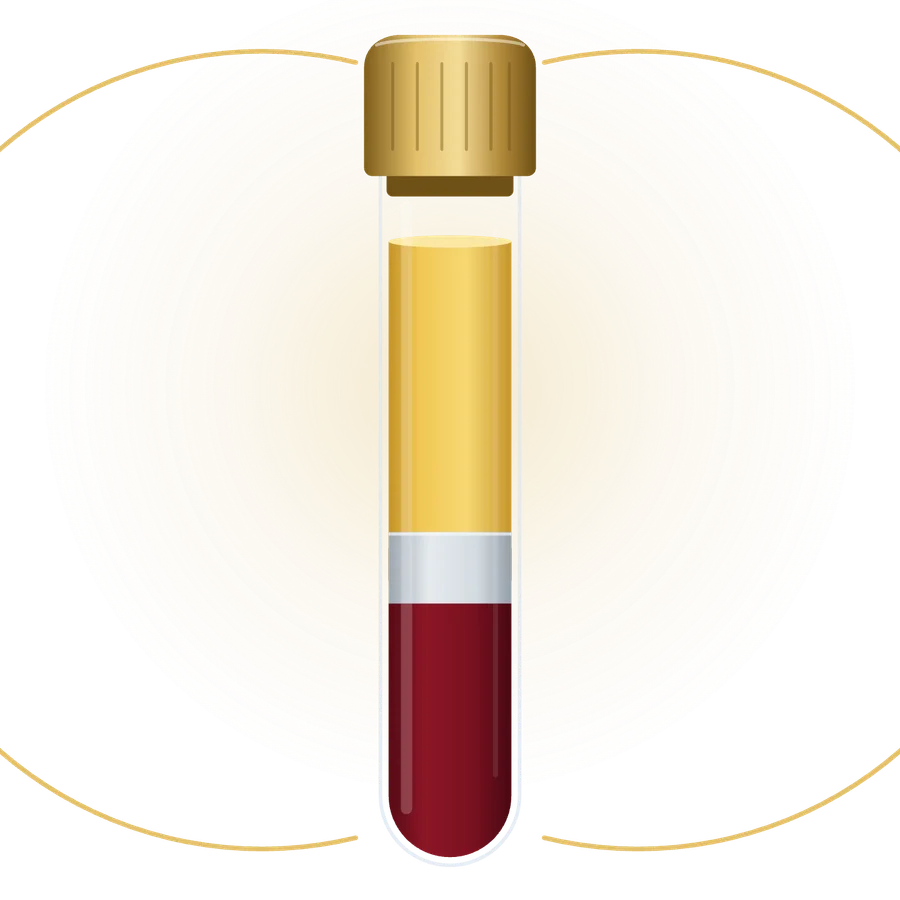
Abnormal test results
A number on your report has a star or is in bold. A number outside the range does not always mean illness, and one inside the range does not always settle things. This page explains how a doctor reads a result and what comes next.
Read moreTiredness and anaemia
Tiredness that has lasted for weeks and does not improve with sleep. Anaemia, the thyroid and blood sugar are common causes, but not every cause shows in the blood.
Read moreBlood sugar, lipids and fatty liver
These three often turn up together and usually cause no symptoms. What do the numbers say, and where do lifestyle changes help?
Read moreBlood pressure and kidney function
High blood pressure usually has no symptoms, and early kidney disease is silent too. Why do correct measurement and blood and urine tests matter?
Read moreSeveral conditions, several medicines
When several doctors have prescribed for several conditions, someone needs to see it all together. Who needs a medicine review, and how is it done?
Read more
From a lab report to a treatment plan
A number outside the range or a long tiredness has several possible causes. Each step answers a question, and at each step you know what comes next.
- Step 1 of 5.
Listening to your story
What worries you and when did it start? Which medicines and supplements do you take? What runs in your family? Bring earlier results too, even old ones.
- Step 2 of 5.
Examination
Blood pressure, weight and waist, and a physical examination. Sometimes what a test did not show is found right here.
- Step 3 of 5.
Targeted tests
Only tests that answer your question are requested. Before you go, you know whether you need to fast.
- Step 4 of 5.
Reading the results together
The numbers are compared with your history, your examination and your earlier results. A trend across several results usually says more than one number alone.
- Step 5 of 5.
Treatment plan and follow-up
You set the plan together and know when the next test is. If more investigation is needed, you are referred to the right specialist.
With you at every stage of diagnosis, treatment and follow-up.
The patient support form has six sections: laboratory, imaging, pharmacy, referral to doctors, rehabilitation and wellbeing, and services at home.
Medical diagnostic laboratory
Quick appointments and quick results.
Medical imaging and ultrasound
CT scan, bone scan, MRI, specialist ultrasound, PET scan, radiography, mammography and densitometry.
Pharmacy and specialty medicines
You write the name of the pharmacy on the form.
Referral to specialists and sub-specialists
You write the name of the doctor or the specialty you want on the form.
Rehabilitation and wellbeing
Quick appointments and referral to rehabilitation and wellbeing specialists, arranged by the support team.
Treatment and rehabilitation at home
Specialist treatment and rehabilitation services at home.
Wherever the form says "free", that service is free.
What do you have in your hand?
Tap what you are dealing with to reach the right explanation. This list is not a diagnosis; it only takes you to the right page.
- A number on my report has a star
- What is a reference range?
- Constant tiredness
- Anaemia or low ferritin
- Abnormal TSH
- Low vitamin D
- High sugar or HbA1c
- Fatty liver on ultrasound
- High blood pressure
- High creatinine
- Unexplained weight loss
- A parent on many medicines
Chest pain or pressure, sudden breathlessness, a drooping face or a weak arm, vomiting blood and sudden confusion do not wait for an appointment. Call 115. When should I act fast?
Plain answers to first questions.
A number on my report has a star. Am I ill?
Not necessarily. A reference range comes from the results of a large group of healthy people, and a healthy person can sometimes fall outside it. Your doctor reads the number alongside your symptoms, examination and earlier results, and says whether it needs repeating.
My results are normal but I do not feel well. What should I do?
A normal result does not always mean full health. If your symptom continues, talk to your doctor. You may need a different test.
Do I need to fast for a blood test?
Not every test needs fasting. For those that do, you usually have nothing but plain water for 8 to 12 hours. Ask your doctor exactly how long, and whether to take your medicines.
Why do two labs give different results?
Labs may use different methods and units, and their reference ranges may differ. So read a result against the range on the same report, and if you want to follow a number over time, repeat the test at the same lab where you can.
Why am I always tired?
Poor sleep, stress and depression are common causes, and illnesses such as anaemia, diabetes, thyroid problems and sleep apnoea can also cause tiredness. Come in if you have been tired for a few weeks without knowing why, or if it is affecting your daily life.
I feel fine. Can I stop my blood pressure or diabetes tablets?
No. High blood pressure and high cholesterol usually cause no symptoms, so feeling well is no reason to stop. Stopping or lowering any medicine is a decision to make with your doctor.
Should everyone have a vitamin D test?
It is not recommended for everyone. It is mainly for people with symptoms or a higher risk of deficiency. Taking large doses of supplements for a long time can harm the body, so do not take high doses without medical advice.
Are all these medicines safe together?
The more medicines you take, the higher the chance of interactions and side effects. Bring all your medicines, supplements and herbal products so they can be reviewed together, but do not stop any of them on your own before that.
When should I go to the emergency department?
Chest pain or pressure that does not go away, sudden breathlessness, a drooping face, a weak arm, sudden trouble speaking and vomiting blood are reasons to call 115 at once. Do not drive yourself. The full list is in the patient guide.
Do you work with insurance?
The list of insurers will be announced soon.
Is online follow-up available?
Details will be announced once the doctor confirms them.
These answers are general and do not replace your doctor's advice for your situation.
The first step, a calm conversation.
Go to the booking page or talk to support. Have your earlier results and your medicine list ready.
Support number